An office lit with a single type of light never quite works. The fixed workstation area needs something different from the meeting room, and that reception which gives the first impression calls for something different from a walkway. This office LED lighting guide brings together the 6 types that cover a complete project, with the zone each one corresponds to and the technical parameters worth checking before buying. If you are wondering what lighting an office needs before asking for a quote, this classification of office LED lighting types is the starting point.
Why office LED lighting needs several types, not just one
Every zone of an office is used differently, so each one calls for a different type of light. Mixing up office LED lighting types badly is the most common mistake in small refurbishments, where the same panel gets installed everywhere for simplicity.
General lighting vs task lighting
General ambient lighting covers the whole space evenly, designed for moving around and working without straining the eyes. Workstation task lighting is added on top, aimed at the exact plane where reading or writing happens. Understanding the difference between general and task lighting in an office is the first step to avoid over-lighting or falling short anywhere.
Type 1 - General lighting with LED panels
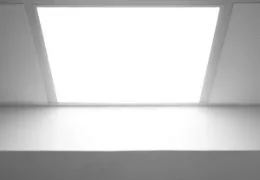
The UGR19 office LED panel is the base of almost any modern office project. It is installed in the suspended ceiling, spreads light evenly and avoids direct glare on computer screens. It is the reference solution for LED lighting for workstations in any open-plan floor.
60x60 panels with UGR19 for workstations
A 60x60 suspended-ceiling LED panel with UGR19 keeps glare below the threshold that becomes uncomfortable for the eyes, a requirement already mandatory in many occupational risk agreements for screen-based workstations. That UGR value for visual comfort in the office is also the guarantee of office LED light without glare during several-hour workdays in front of the computer. A 4000K colour temperature is the most common choice for work areas, because it gives a neutral light that doesn't tire the eyes over long days. Choosing this first type well already shapes a good part of the office LED energy efficiency of the whole project, because it is the one that stays on the most hours.

Type 2 - Task lighting at desks
Beyond general light, some desks need a targeted boost, especially for reading paper documents or precision work.
Desk lamps and point luminaires for support
A dimmable desk lamp solves this need without having to raise the recommended lux level for the whole room. It is the most economical solution when only one or two desks need more light than the rest of the space.
Type 3 - Lighting for meeting rooms
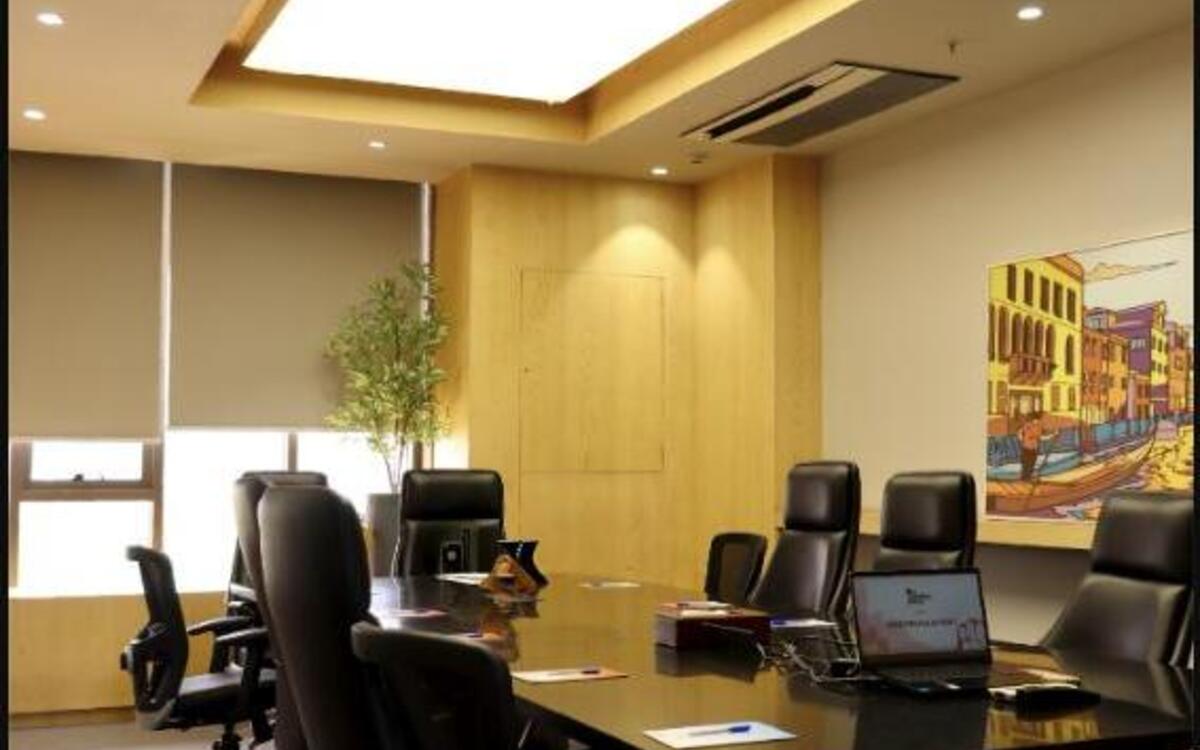
A meeting room demands more flexibility than a fixed desk, because the same room is used for a work meeting, a presentation with a projector or a video call.
Dimmable downlights for presentations and video calls
A recessed meeting-room downlight with dimmable office lighting lets you lower the intensity during a projection and raise it again for a normal meeting, without needing two separate setups. This office LED downlight also performs best on video calls, since it avoids harsh shadows under the eyes, so it is worth spreading several light points instead of one central one. Well-planned LED lighting for meeting rooms solves both the in-person meeting and the video call without changing equipment.
Type 4 - Decorative lighting in common areas
Reception, the cafeteria or the waiting area are the zones where decorative lighting for common areas makes the difference between a functional office and one that shows attention to detail.
Wall lights and pendant lamps at reception
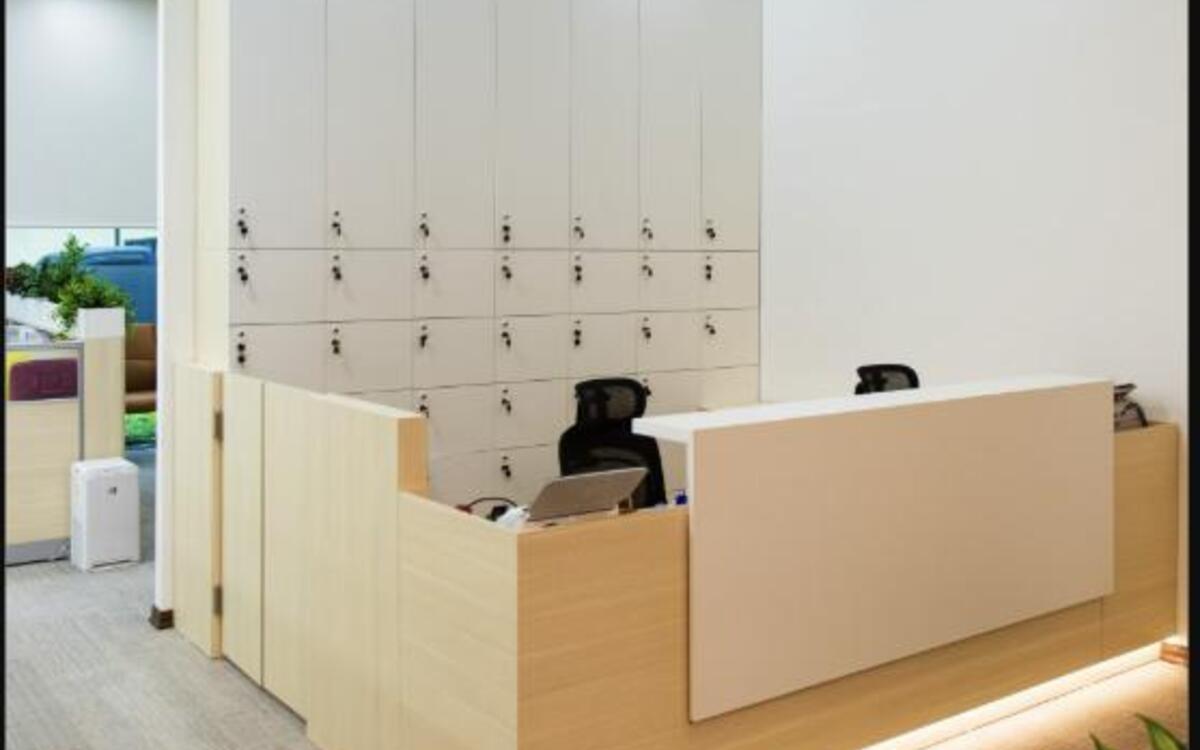
LED lighting for office reception does not have to give up on design just because the rest of the building is technical. An accent light point over the logo or the counter, combined with general lighting, is enough to add personality without complicating the project or its maintenance.
Type 5 - Linear lighting in corridors and walkways

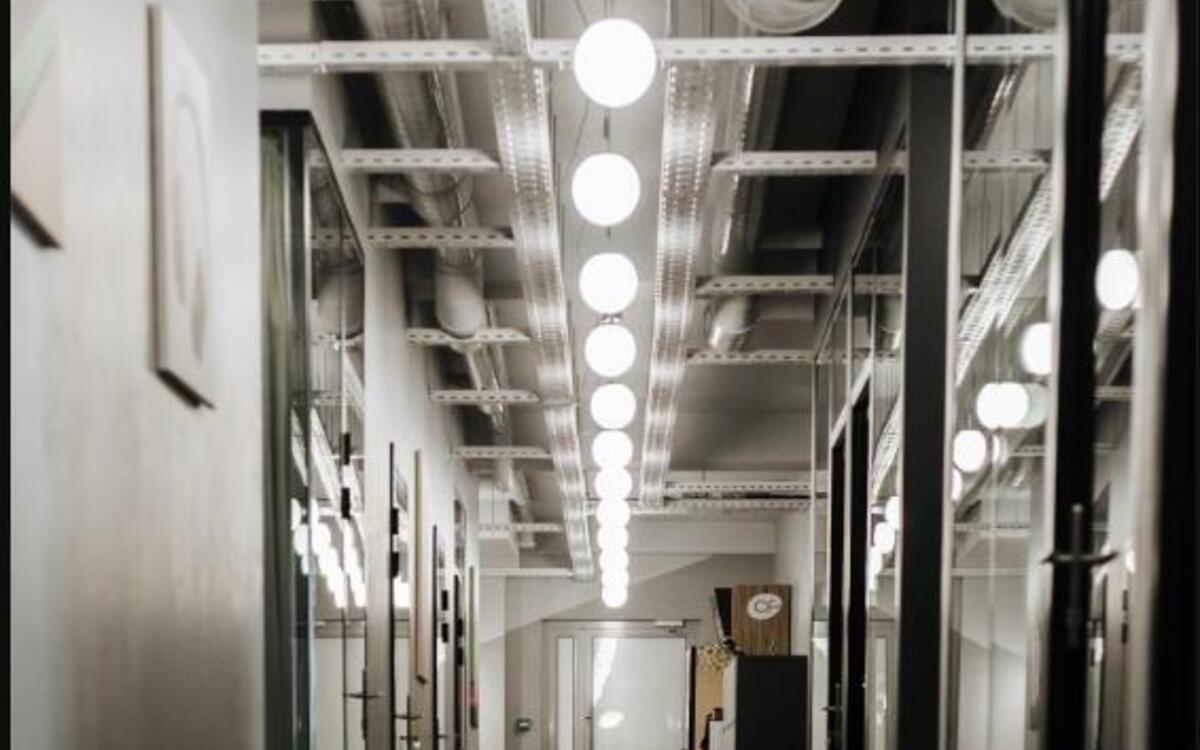
Corridors and circulation areas need continuity rather than isolated points of light, so the route feels uniform from start to finish.
Interconnectable LED bars for continuous distribution
An office ceiling LED batten with interconnectable bars solves long corridors without multiplying connection boxes or independent drivers. Each bar clips onto the next and the whole run is powered from a single point, which simplifies both installation and later maintenance. It is also the most practical LED light solution for office common areas where the route is long and there is no continuous suspended ceiling to recess panels into.
Type 6 - Accent lighting for brand areas
The logo at the entrance, a corporate mural or a specific design element call for a type of light that sets them apart from the rest of the space.
Track spotlights for logos and corporate elements
An adjustable office LED track spotlight lets you aim light exactly at the point you want to highlight, and move it the day the layout changes without touching the electrical installation. It is the most flexible solution for marking elements that may change position over time.
How to combine the 6 types in an office project
The project that works best is not the one using the most modern type of light, but the one that combines all 6 according to the real function of each zone. LED lighting for coworking is one of the projects where getting this combination right shows the most, because concentration zones coexist with much more social ones within the same space. Any serious comparison of the best office LED lighting for 2025 agrees on these same 6 types, only the specific product within each category changes.
Common mistakes when planning office lighting
The most repeated mistake is installing only general lighting and skipping the rest of the types, which leaves meeting rooms flat and receptions without personality. The second most common mistake is not checking the recommended lux level for each zone before buying, ending up with an over-lit space that also uses more energy than necessary.
| Lighting type |
Recommended zone |
Recommended product |
| General with LED panel |
Fixed workstations |
60x60 UGR19 LED panel |
| Dimmable downlight |
Meeting rooms |
Dimmable recessed downlight |
| Interconnectable linear |
Corridors and walkways |
Interconnectable LED bar |
| Track spotlight |
Brand areas and reception |
Adjustable track spotlight |
You can browse the full range of LED panels for suspended ceilings, recessed downlights, interconnectable linear bars and track spotlights in our specialised categories, and check our accent lighting section for brand and reception zones.

Frequently asked questions about office LED lighting
How many lux does a workstation with a computer need?
To know how many lux an office needs in the workstation zone, the usual reference is between 500 and 750 lux on the work plane, depending on the type of task. Precision work or constant document reading calls for the upper end of that range.
What type of lighting is best for a meeting room?
A dimmable downlight, combined with some accent point, because the same room is used for normal meetings, presentations and video calls with different lighting needs.
Do you need to combine several lighting types in a small office?
Yes, even in a small space it is worth separating general light from task light and some accent point, because size doesn't change the different use given to each zone.
What UGR should general office lighting have?
A UGR19 value or lower is the recommended standard for workstations with a computer screen, since it keeps glare within a range that doesn't become uncomfortable over long days.
Can decorative lamps be used in an office without losing functionality?
Yes, as long as they add to functional lighting rather than replace it. In reception or common areas, a well-placed decorative point doesn't compromise the light level needed to move around safely.
What lighting is recommended for coworking spaces?
A combination of a general panel in fixed work zones, a dimmable downlight in bookable rooms and a linear bar in common areas, planning each area according to its use instead of repeating a single solution.
Leave a comment