
European Energy Efficiency Regulations in LED Lighting: What You Need to Know in 2025


European energy efficiency regulations for LED lighting have changed the conditions for selling and using professional lighting in just a few years. Anyone who buys, designs or installs must know the European LED lighting regulations for 2025. It is no longer a formality, because it affects the risk of every project. This guide summarizes the scope of the rules and how to meet the requirements before ordering material.

Why the European Union regulates lighting efficiency

Lighting weighs heavily on the electricity consumption of offices, shops, warehouses and public spaces. That is why Brussels acts on the product before it reaches the market. Ecodesign for lighting in the EU starts from a simple idea. If an inefficient product cannot be sold, the savings reach all buildings at once.

Lower consumption also reduces the carbon footprint and the greenhouse gas emissions of the sector.

European harmonization of the rules also prevents each country from setting its own. A manufacturer that complies in one Member State can sell in the others, and the buyer finds the same data on every label.

The European energy consumption reduction target

The European energy efficiency directive sets the general framework. It is Directive 2012/27/EU of the European Parliament and of the Council, and it requires Member States to reduce energy consumption. In lighting, the energy efficiency directive is applied through Commission regulations that remove the least efficient systems from the market. T8 and T5 fluorescent tubes are the clearest example, because since August 2023 they can no longer be sold.

Framework of the European LED energy efficiency regulations in force in 2025

The 2025 European lighting regulations rely on two European Commission regulations, which entered into force on 1 September 2021. One covers sustainable design and the other covers labelling. Both focus on light sources and on each control system, such as drivers.

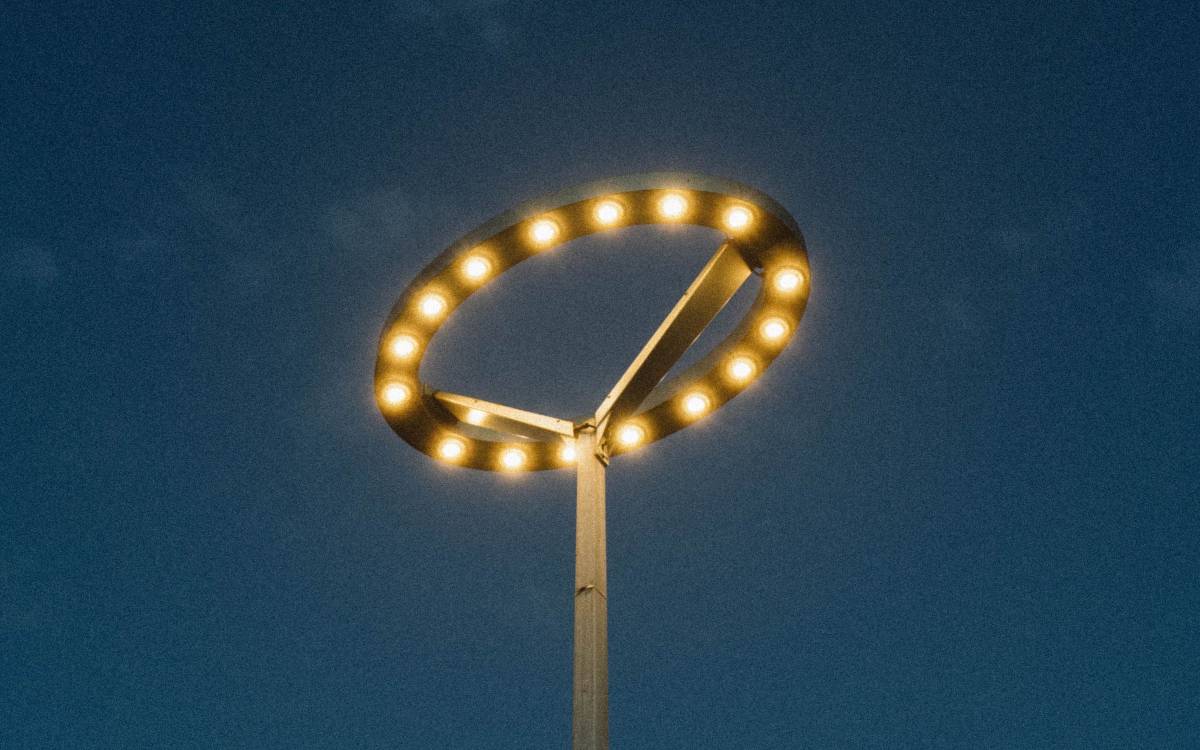
Circular LED street lamp with warm lights against a blue night sky

Ecodesign regulation applicable to luminaires

Regulation (EU) 2019/2020 is the reference ecodesign regulation for luminaires. It is also known as the Single Lighting Regulation. This EU ecodesign regulation sets requirements for efficiency, lifetime and flicker. It also includes circular economy criteria, such as being able to dismantle and replace light sources and electrical auxiliaries.

The Commission is reviewing the text within the 2025-2030 plan, with a reform expected around 2029. It is worth following those changes, because the thresholds may rise.

Energy labelling and what each class means

LED energy labelling rules changed with Delegated Regulation (EU) 2019/2015. It went back to the A to G scale and the classes with a plus sign no longer exist. The LED energy class is calculated from the total luminous efficacy, that is, the useful light the product gives for every watt it consumes. A is the most efficient and G the least.

In practice, whoever buys for efficiency looks for energy efficiency class A, B or C as the desirable zone of the scale. The change of scale altered the letter of many products, so an old A++ is not equivalent to a current A.

On the energy labelling of luminaires, one point needs clarifying. The label is no longer issued for the complete luminaire, but for its light sources. It carries a QR code that links to the European EPREL database.

What this regulation means for manufacturers and distributors

The commercial EU LED regulations cover the whole chain. The manufacturer designs and declares. The importer checks that the product complies before placing it on the market.

The distributor shows the label and keeps the documentation. Labelled models are registered in EPREL.

Minimum efficiency requirements in lm/W

The regulation sets minimum lm/W requirements that depend on the type of light source. The value is expressed as lumens emitted for every watt consumed, and the specific thresholds are found in the text of the regulation.

For the buyer, the minimum luminaire efficiency requirements come down to one datasheet value, the real lumens per watt of the product. Mandatory energy efficiency in lighting works as a condition of market access. It is a legal requirement and not an option, because a product below the threshold cannot be sold, even if it is cheap.

CE certification and mandatory documentation

The CE marking is mandatory on luminaires, drivers and light sources. Mandatory CE certification relies on the EU declaration of conformity signed by the manufacturer, in which it states that the product complies with the applicable directives. In lighting, the main ones are the Low Voltage Directive, the Electromagnetic Compatibility Directive and the RoHS Directive, which limits hazardous substances such as mercury.

In LED CE certification rules, the manufacturer also gathers test reports and instructions for use.

What it means for companies that buy LED lighting

LED regulations for companies translate into concrete purchasing tasks. It is a regulation of business application because it binds both the seller and the installer. A company should be able to justify every product it puts in its premises.

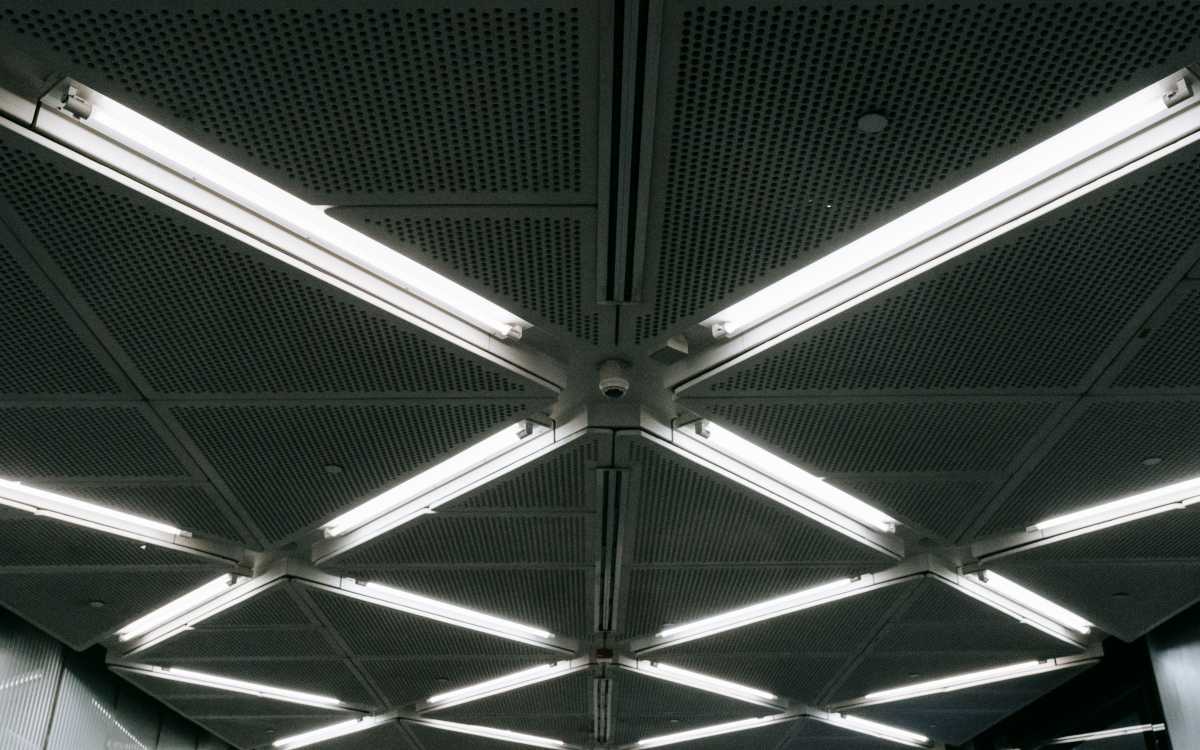
Tubular LED battens fixed to a metal grid ceiling

A purchasing manager of an office chain discovered in a review that part of the material installed years ago did not meet the current requirements. Since then, the manager asks for the conformity datasheet before any order.

Regulatory compliance for professional lighting starts at the order, not on site, because complying with the regulation requires documentation from the purchase. At Icilux we work with products that comply with the regulations in force, from LED panels to power supplies and drivers.

How to check that a product complies with the regulations

  • Visible CE marking and EU declaration of conformity available.
  • Energy label with QR code and model registered in EPREL.
  • Datasheet with the real lm/W and the energy class.
  • Driver documentation, where cheap products fail the most.

Risks of buying a product without certification

A product without documentation can be withdrawn from the market by order of the competent authorities, and the company that installed it will have to replace it. There is also a technical risk, because a driver without tests usually causes flicker or premature failures. Member States set the penalties for non-compliance and monitor the market to guarantee compliance.

How these regulations affect renovation projects

The regulations act on what is placed on the market and do not by themselves require dismantling an existing installation. Even so, when a fluorescent lamp burns out there is no replacement, and renovating the lighting system with LED is the practical way out. The directive on the energy performance of buildings also pushes refurbishments, although its requirements depend on each country.

Office with a wooden ceiling, linear LED light and skylights

European public lighting regulations are not a separate text, because they apply through the same regulations on light sources and drivers. Anyone renovating a road installation can look at the options in public and road lighting with the documentation in hand.

Deadlines and adaptation periods

The compliance deadlines have already passed for the oldest systems. T8 and T5 fluorescent tubes left the market in August 2023. For lamps with mercury, the RoHS Directive keeps exemptions that, in several cases, expire on 24 February 2027 unless renewed. Anyone planning a refurbishment must check each exemption before setting dates.

Frequently asked questions about European energy efficiency regulations in lighting

What is the ecodesign regulation for luminaires?

It is Regulation (EU) 2019/2020, which sets the efficiency and sustainable design requirements for light sources and control equipment. It has applied since September 2021.

How do I know if an LED product complies with the European efficiency regulations?

Check the CE marking, the declaration of conformity and the energy label with its QR code. Then check in EPREL that the model is registered and that the lm/W on the datasheet match.

What is the risk of buying LED lighting without CE certification?

The product can be withdrawn from the market and you will not be able to prove compliance in a review.

Do the European regulations also apply to individuals or only to companies?

They apply to any product sold in the Union. The European LED bulb regulations apply equally to a household bulb and to a professional purchase. The European LED energy efficiency regulations do not distinguish the buyer.

What does the energy class of a luminaire mean?

It indicates the efficiency of the light source on a scale from A to G, with A as the most efficient class.

Are there penalties for installing products that do not comply with the regulations?

The penalty regime is set by each Member State. In practice, the most common outcome is an order to withdraw the product.

 
Posted in: Sample Category

Leave a comment

★
★
★
★
★
Security code
Blog navigation

Latest posts

Outdoor Lighting Trends for Summer 2025: What's In This Year

This summer's outdoor lighting trends bet on less light, better distributed and with more personality. We review six...

Read more
LED Lighting for Sports Facilities: Regulations and Professional Solutions

LED lighting for sports facilities requires uniformity, low glare and compliance with the UNE-EN 12193 standard. This...

Read more
European Energy Efficiency Regulations in LED Lighting: What You Need to Know in 2025

European energy efficiency regulations changed the rules for professional LED lighting. This guide summarises which...
Read more
RGB and CCT LED Controllers: What They Are, How They Work and Which One You Need

RGB and CCT LED controllers are the piece that decides the colour, brightness and temperature of your LED strip. We...

Read more
The 8 Best Selling LED Luminaires for Commercial Premises and Why They Work

Guide to LED luminaires for commercial premises with the eight models installers repeat most in shops and businesses,...

Read more