
LED Lighting Market in Spain: Statistics and Key Sector Data in 2026


An energy journalist was looking for industry figures to finish an article. He found dozens of press releases with numbers that did not match each other and not one with a clear source behind it.

When he came across a report that cited its sources properly, he wrote the piece in an afternoon instead of a week. That is the difference between a figure and a useful figure.

Here are the numbers for the LED lighting market in Spain with the source in front of each one. They all come from ANFALUM, the Spanish association of lighting manufacturers, and from the IDAE. None of them is a calculation of ours.

LED lighting sector data changes every year, so check the date before using it. Light-emitting diodes are the standard today and what is under discussion is not the type of lamp, but the pace of the change.

The LED lighting market in Spain: size and evolution

The lighting market billed 1,252 million euros in 2025, 2.88% more than the previous year, according to ANFALUM. The figure broke two consecutive years of decline.

Sector growth over recent years

In 2024 turnover was 1,217 million. LED lighting growth in Spain in 2025 did not come from abroad, it came from home. The domestic market grew 7.49% to 832 million, while exports fell 5.19% to 420 million.

That contrast explains LED sector turnover in Spain better than the headline number. Domestic demand pulls and foreign demand shrinks. Spanish LED lighting export figures have gone from 530 million in 2022 to 420 in 2025. That is more than a 20% drop in three years.

For 2026, ANFALUM projects 1,270 million, 1.4% more. The domestic market would rise to 845 million and exports to 425. These are the Spanish LED market statistics for 2026 that the association presented at its General Assembly in June.

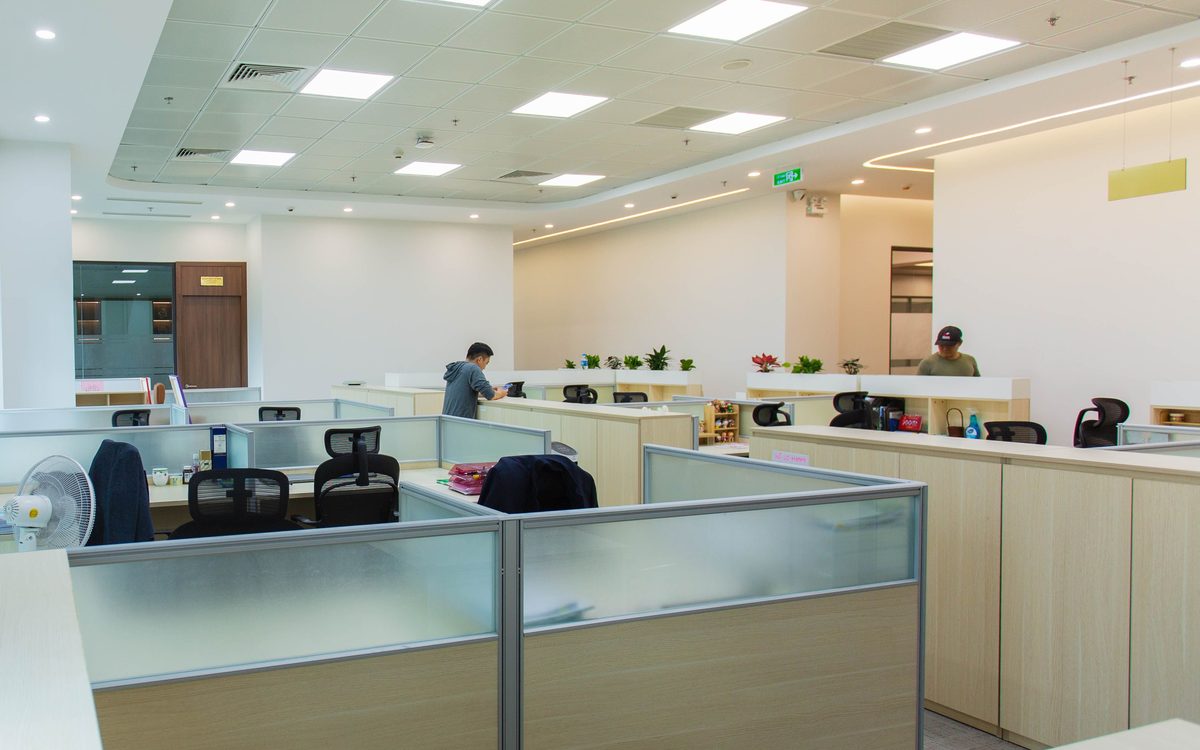
Open-plan office lit by LED panels recessed into the ceiling

LED penetration by type of user

Every kind of lighting and every customer profile moves at a different pace. The segment data shows it clearly.

Private homes: adoption and replacement pace

Decorative indoor lighting, which is mostly residential, grew 10.77% in 2025 to 144 million. It was the segment that rose the most.

At the same time, light sources fell 3.08% to 63 million. That heading covers replacement light sources, and its decline says a great deal about LED penetration in homes. Incandescent bulbs left the shelves years ago and the swap is already done. What people buy now is a complete LED luminaire, not a spare part.

Put another way, LED adoption in Spanish homes is no longer measured in bulbs sold but in renovations.

Anyone looking for reliable Spanish LED consumption statistics for the home runs into a limit. There is no census of bulbs, only the trail left by sales.

Companies and shops: reasons for the accelerated change

Technical indoor lighting is the largest segment of the market with 498 million in 2025, 2.9% more. This covers offices, retail, industry and hospitality.

LED penetration in companies advances for a simple reason. The electricity bill of premises open twelve hours a day weighs heavily. That is why LED adoption in Spanish companies is decided with a spreadsheet, not with an aesthetic preference.

Public administrations: street lighting and efficiency

Outdoor lighting billed 399 million in 2025, 2.05% more. It is the second largest segment and the one most dependent on public investment.

The IDAE has allocated 1,049 million euros since 2015 to six financing lines for municipal lighting. They have reached 2,001 municipalities and 1.5 million light points. That is the largest LED lighting investment in Spain of the last decade and it explains a good part of the Spanish public lighting market.

Sectors with the highest growth in LED demand

Industry and logistics

The warehouse is where the numbers add up soonest. Long shifts, high ceilings and discharge lamps that consume a lot. Each LED lamp replaces a sodium vapour or metal halide unit that used twice as much. The Spanish industrial LED sector moves on payback, and a highbay pays for itself in a few years.

The industrial lighting catalogue holds the luminaires that cover these projects.

Hospitality and retail

Here consumption rules and so does image, with colour temperatures chosen according to the product on display. A shop changes its lighting when it refurbishes and takes the chance to cut the bill. The 10.77% growth in decorative lighting captures part of that movement.

Municipal public lighting

Municipal outdoor lighting is the area with the clearest data. The second call for the IDAE's Singular Projects was resolved in August 2025. It distributed 142.1 million euros among 70 municipalities to renew 139,300 light points.

The estimated energy saving for the whole set is 74.1%. They reach 3.9 million inhabitants and include seven provincial capitals, led by Zaragoza (9.9 million) and Seville (9.4 million).

You can see the equipment used in these projects in the public and street lighting category.

Industrial warehouse ceiling with LED luminaires hanging from the beams

Factors driving the sector's growth

Electricity prices and pressure to save

National energy spending on lighting is the underlying reason behind almost every renovation. Energy consumption of Spanish outdoor lighting is around 5,296 GWh a year, according to the IDAE. That is almost 8.85 million light points with an average power of 156 watts.

Saving energy stops being a headline when a town council renovates and cuts 74%. That difference shows up in the municipal budget every month, and the same logic works in a warehouse or a hotel.

European energy efficiency regulations

Regulation of the Spanish LED market is set by the European Union. The withdrawal of low-efficiency lamps and the conditions attached to European funds have pushed the lighting energy transition. More than any commercial campaign.

The IDAE programmes are the route by which that money reaches the municipality, and they carry minimum saving conditions attached.

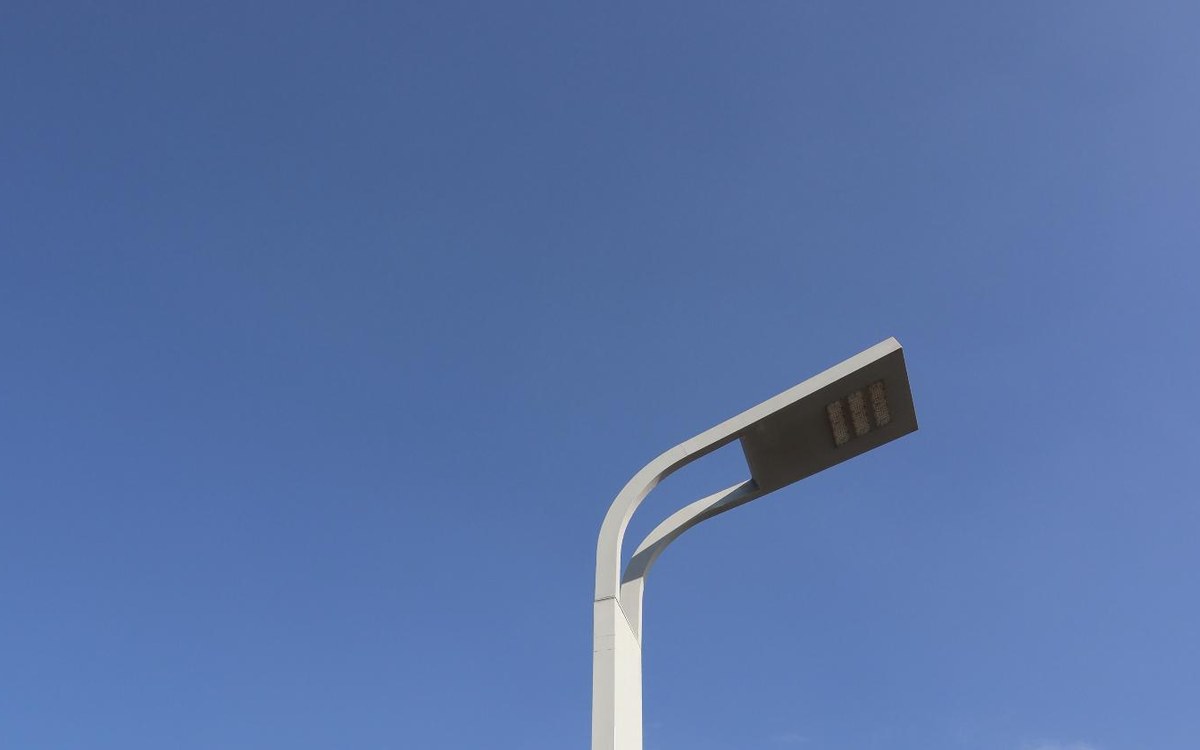
Modern LED street lamp against a blue sky

Where the market is heading in the coming years

Smart lighting and connectivity as the next wave

The LED lighting market in Spain is entering a different phase. With the light source swap already done across much of the installed base, the margin now lies in control. Control systems cover time-based dimming, presence detection and remote lighting management.

LED market trends for 2026 point that way. Not to changing the lamp, but to deciding when and how much it lights. New products in this line appear first in the new products catalogue.

Sustainability as a purchasing criterion

Public tenders ask for service life, repairability and verifiable consumption data. Behind that sits the goal of reducing the gas emissions associated with electricity consumption. The future of the Spanish LED market runs through documenting what is sold, not only through selling it cheaply.

What these figures mean for your lighting project

Three practical readings of the Spanish LED lighting market come out of these numbers.

  • The bulk of demand is no longer bulb replacement, it is the complete luminaire. If your project is a refurbishment, compare equipment, not loose watts.
  • Investment in public lighting renovation has a calendar and a call for applications. If you work with town councils, the pace is set by the IDAE programmes.
  • National LED manufacturers coexist with imported product. The top twenty LED lighting companies in Spain concentrate 57% of the sector's turnover, according to the analysis of filed accounts handled by ANFALUM.

The import of LED components remains relevant in drivers and chips, an area where European production is a minority. It is worth checking who answers for the warranty before comparing prices.

On LED market share in Spain there is no recent official figure we can cite. Nor on the LED share within total lighting. The segment data points to a market that is already mature, with the replacement done and growth in new product.

Frequently asked questions about the LED market in Spain

How much has the LED lighting market grown in Spain?

The Spanish LED lighting market billed 1,252 million euros in 2025, 2.88% more than in 2024, according to ANFALUM. For 2026 the association projects 1,270 million, a further 1.4%. It is the exit from two consecutive years in negative territory.

Which sectors adopt LED lighting fastest?

Industry and public lighting, because the saving can be calculated and justified. Technical indoor lighting is the largest segment with 498 million and outdoor lighting the second with 399 million.

What drives the growth of the LED sector in Spain?

The cost of electricity and public renovation money. The IDAE has invested 1,049 million since 2015 in municipal lighting, with savings above 70% in the approved projects.

Does Spain manufacture LED lighting or depend on imports?

Both. There is significant national manufacturing, and the top twenty manufacturers add up to 57% of turnover. In electronic components the dependence on abroad is high.

What role do European regulations play in this growth?

They set the calendar. The withdrawal of inefficient lamps and the conditions of European funds force renovation with specific deadlines and committed minimum savings.

Where is the LED lighting market heading?

Towards control and connectivity. With the installed base already converted, the sector's growth projection rests on remote management, sensors and sustainability criteria in purchasing specifications.

 
Posted in: Sample Category

Leave a comment

★
★
★
★
★
Security code
Blog navigation

Latest posts

Outdoor Lighting Trends for Summer 2025: What's In This Year

This summer's outdoor lighting trends bet on less light, better distributed and with more personality. We review six...

Read more
LED Lighting for Sports Facilities: Regulations and Professional Solutions

LED lighting for sports facilities requires uniformity, low glare and compliance with the UNE-EN 12193 standard. This...

Read more
European Energy Efficiency Regulations in LED Lighting: What You Need to Know in 2025

European energy efficiency regulations changed the rules for professional LED lighting. This guide summarises which...
Read more
RGB and CCT LED Controllers: What They Are, How They Work and Which One You Need

RGB and CCT LED controllers are the piece that decides the colour, brightness and temperature of your LED strip. We...

Read more
The 8 Best Selling LED Luminaires for Commercial Premises and Why They Work

Guide to LED luminaires for commercial premises with the eight models installers repeat most in shops and businesses,...

Read more