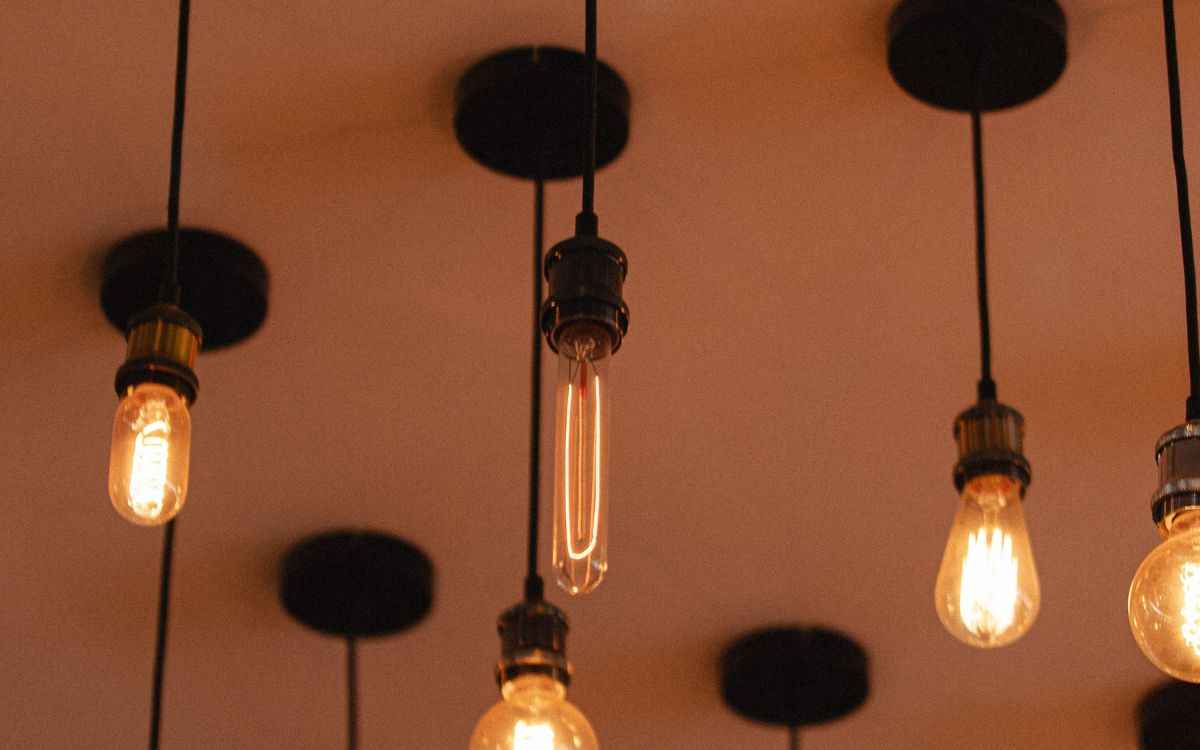
Energy Efficiency of LED Lighting in Hospitality: Real Savings Data for Restaurants and Hotels


An average restaurant spends more on lighting than it thinks. Energy-efficient LED lighting in hospitality is no longer a matter of aesthetics, but a lever on the bottom line. Before investing, it is worth looking at the real figures: how much your venue consumes today, how much it would consume with LED and how long it takes to recoup the cost.

How much lighting represents in the electricity bill of a hospitality venue

Few hospitality operators know what share of their electricity spend goes on lighting. Air conditioning systems and kitchen equipment take all the attention. Lighting goes unnoticed, but it runs more hours a day. In hospitality businesses with long opening hours, its weight in the bill rises quickly.

The percentage no one calculates until they see it

In a venue serving lunch and dinner, the LED lights stay on between 10 and 16 hours a day. That usage turns the lighting system into one of the highest fixed cost items after air conditioning.

According to IDAE data for the services sector, lighting accounts on average for between 20% and 35% of an establishment's electricity consumption. The electricity bill does not break this figure down, and almost no one calculates it until they replace the light sources and see the amount fall. The average hospitality electricity bill in Spain reflects that hidden cost in venues with old halogens.

Consumption comparison by venue type

The kWh consumption per m² in hospitality varies greatly depending on the activity. A tapas bar does not spend the same as a hotel with corridors and rooms lit for almost the entire day.

Venue type Lighting hours/day Lighting consumption Weight in bill
Urban tapas bar 12-14 h 18-25 kWh/m² year 25-30%
À la carte restaurant 10-13 h 22-30 kWh/m² year 28-35%
3-4 star hotel 16-24 h 30-45 kWh/m² year 20-28%
Passing-trade café 14-16 h 20-28 kWh/m² year 25-32%

Main consumption areas in a hospitality establishment

Not all light serves the same purpose. Separating the spend by area helps prioritise the investment. This is where the distinction between ambient and functional lighting comes in, key to not wasting watts. It is worth reviewing the types of lighting in each room before deciding.

Dining room and seating area ambient and accent lighting

The dining area needs light that creates atmosphere and presents the dishes well. Efficient LED lighting for bar and dining room combines a warm base with accent spotlights over the tables. Lighting control in the dining room allows the intensity to be lowered at dinner and raised at midday. A pendant lamp over each table reinforces the effect without driving up consumption.

Industrial kitchen high-efficiency functional light

In the kitchen, function rules. The goal is a uniform amount of light with no shadows over the work surfaces. Industrial kitchen LED panels replace fluorescents with fewer watts and a longer service life. They withstand steam and grease and maintain a stable lighting level.

Terrace and exterior IP44 floodlights and wall lights

The exterior demands luminaires protected against rain and dust. A hospitality outdoor terrace LED floodlight with an IP44 rating or higher withstands the elements without losing performance. LED lighting for hospitality terraces adds usable square metres in season and extends the hours customers spend spending.

Reception and common areas in hotels

In hotels, reception and corridors are lit almost without a break. The hotel lighting electricity cost is concentrated in these areas of continuous use. Switching to LED with a motion sensor in corridors cuts unnecessary hours of operation. LED outdoor wall lights for hotels on the façade round off the image with low consumption.

Real savings data by establishment type

Concrete figures convince more than any promise. These three cases show the LED lighting savings in restaurants and other formats with realistic figures.

150 m² restaurant practical case with figures

Restaurant of 150 square metres with 90 halogen points. Annual consumption of around 11,000 kWh, which drops to close to 4,200 kWh with LED.

With an average tariff, the LED restaurant electricity bill saving is around 1,700 euros a year. The investment of around 4,800 euros pays for itself in less than three years. Illustrative market example.

40-room hotel practical case with figures

Hotel of 40 rooms with consumption close to 38,000 kWh a year. The question of how much hotel lighting consumes is answered with data: after migrating to LED and adding sensors, consumption falls by around 60%. The return on investment for the LED switch in hospitality is met in about three years, with an estimated annual saving of 5,500 euros. Illustrative example.

Urban tapas bar practical case with figures

Bar of 70 square metres with a heavily lit counter and 13-hour opening. The starting price of LED lighting for hospitality is contained because there are fewer light points. The investment is around 1,900 euros and the estimated annual saving reaches 950 euros. With those figures, the energy saving from LED in a restaurant pays for itself in just over two years.

The ROI of the LED switch in hospitality improves the longer the opening hours. Illustrative figures.

The owner of a chain of three restaurants in Zaragoza saw that lighting was 31% of his bill. He renovated the three venues with CRI90 track spotlights in dining rooms, sealed fittings in kitchens and CCT wall lights at the counters. He invested 9,400 euros and in less than 14 months recouped the cost.

Which LED products make the biggest difference in hospitality

Choosing the right product by area multiplies the result. These three groups are the ones with the greatest impact.

High-CRI track spotlights for plate lighting

The presentation of the dish depends on the light. A high-CRI LED restaurant downlight or LED track spotlights for restaurants with CRI90 reproduce the colours of the food faithfully. The recommended minimum CRI for a restaurant dining room is 90, because below that the reds of the meat lose their vividness. The track allows the spotlights to be reorientated when the tables change.

CCT LED wall lights for ambient areas

CCT models adjust the colour temperature in hospitality between warm and neutral tones. A counter at 2700 K at night invites people to stay, while 4000 K in the morning conveys freshness. They are the basis of ambient lighting at counters and waiting areas.

LED floodlights for terraces and exteriors

The adjustable floodlight covers large surfaces with few points. It withstands the elements and supports long periods of operation. Combined with wall lights, it defines the terrace as a brand space and provides security at entrances.

How to plan the switch to LED in your venue without stopping business

Renovating the lighting does not require closing. With a phased plan, the venue keeps running while the luminaires are replaced area by area.

Recommended replacement phases

The logical approach is to start with the areas of greatest consumption and visual impact:

  • Dining room and seating area, where light sells and the spend is high.
  • Kitchen, due to hours of use and maintenance demands.
  • Exterior and terrace, to extend customer hours.
  • Common areas and storeroom, as the last step.

Each phase is carried out outside service hours or on closing days. The hospitality luminaire maintenance cost falls, because LED solutions help reduce replacements and breakdowns compared with old lamps.

How to finance or subsidise the switch

There are support routes depending on the autonomous community. Some calls linked to European funds and IDAE plans, within renewable energy and efficiency programmes, cover part of the investment.

It is worth reviewing the current terms before buying. Obtaining the updated local energy efficiency certificate after the refurbishment makes it easier to justify the improvement, and a hospitality energy efficiency certificate serves as a guarantee before the administration. The hospitality lighting regulations set minimum levels by area.

Renovating the lighting pays for itself. If you want to know how much your venue would save, request a personalised project and we will calculate the return with your data.

Frequently asked questions about LED energy efficiency in hospitality

How much does a restaurant save by switching all its lighting to LED?

The usual saving is between 50% and 65% of lighting consumption. In an average restaurant this amounts to between 1,500 and 2,000 euros a year. The exact figure depends on the light points, the hours of use and the contracted electricity tariffs.

What minimum CRI does a restaurant's lighting need?

For the dining room and seating area a CRI of 90 or higher is recommended. That value reproduces the colours of the dishes faithfully. In the kitchen a CRI of 80 is enough.

Can I change my venue's lighting in phases without closing?

Yes. The change is planned by area and carried out outside service hours or on closing days. That way the business does not stop.

Are there subsidies for switching to LED in hospitality?

There are calls linked to the IDAE and European funds that vary by autonomous community. They cover part of the investment. It is worth reviewing the current terms before purchasing.

What colour temperature is best for creating atmosphere in a restaurant?

For a warm atmosphere, tones of 2700 K to 3000 K are ideal. In the kitchen 4000 K is preferred for its more neutral light. CCT systems allow both registers to be adjusted.

How long does it take to recoup the switch to LED in a bar?

In an urban bar the payback comes in two to three years. It is influenced by the opening hours, the number of light points and the energy saving after the refurbishment.

 
Posted in: Sample Category

Leave a comment

★
★
★
★
★
Security code
Blog navigation

Latest posts

Outdoor Lighting Trends for Summer 2025: What's In This Year

This summer's outdoor lighting trends bet on less light, better distributed and with more personality. We review six...

Read more
LED Lighting for Sports Facilities: Regulations and Professional Solutions

LED lighting for sports facilities requires uniformity, low glare and compliance with the UNE-EN 12193 standard. This...
Read more
European Energy Efficiency Regulations in LED Lighting: What You Need to Know in 2025

European energy efficiency regulations changed the rules for professional LED lighting. This guide summarises which...
Read more
RGB and CCT LED Controllers: What They Are, How They Work and Which One You Need

RGB and CCT LED controllers are the piece that decides the colour, brightness and temperature of your LED strip. We...

Read more
The 8 Best Selling LED Luminaires for Commercial Premises and Why They Work

Guide to LED luminaires for commercial premises with the eight models installers repeat most in shops and businesses,...

Read more