E27 LED Bulbs in 2026: Complete Guide to Choosing the Best Option for Your Space


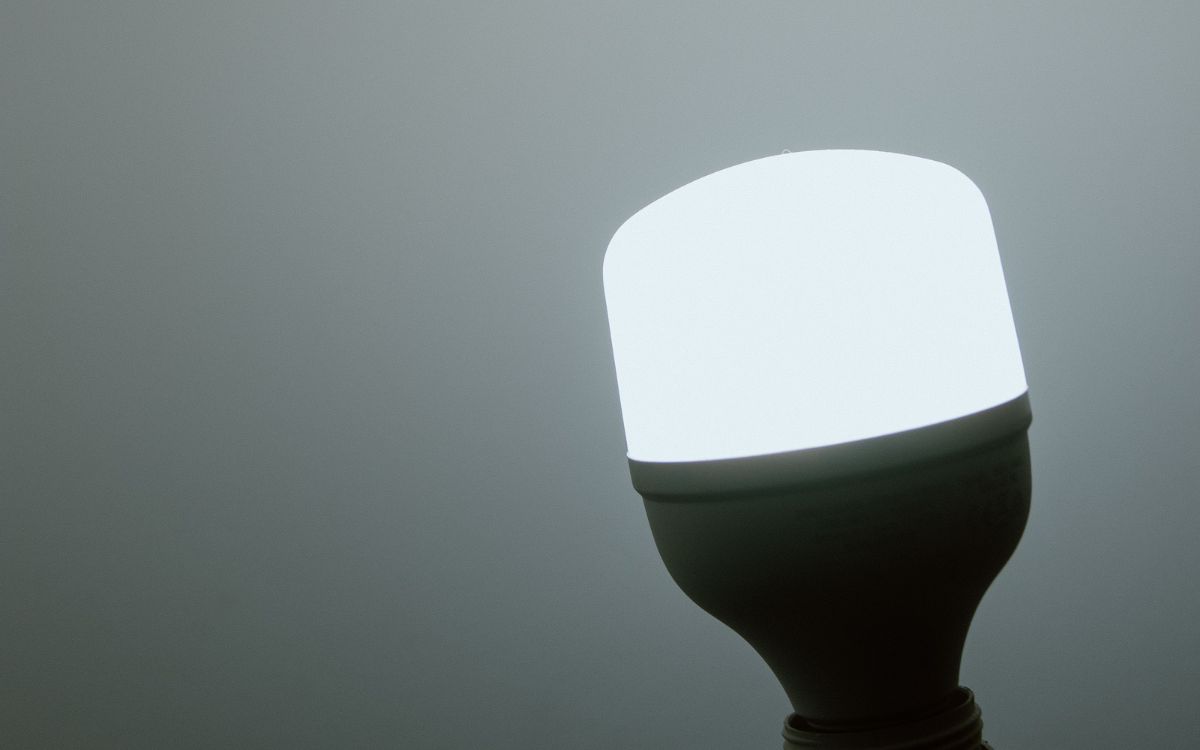
Choosing well between the E27 LED bulbs available today is not as simple as it seems. There are dozens of brands, wattages and colour temperatures, and the difference between a good and a bad purchase becomes apparent within weeks. This guide helps you understand which E27 LED bulb to buy according to your space, your budget and the use you will give it. We also take an updated look at the best E27 LED bulb for 2026 according to type of installation.

Why the E27 LED bulb remains the best-seller

The standard E27 cap has been the most widespread in homes and businesses across Europe for decades. Although other formats exist, this one remains the reference for ceiling lamps, wall lights and traditional lamp holders.

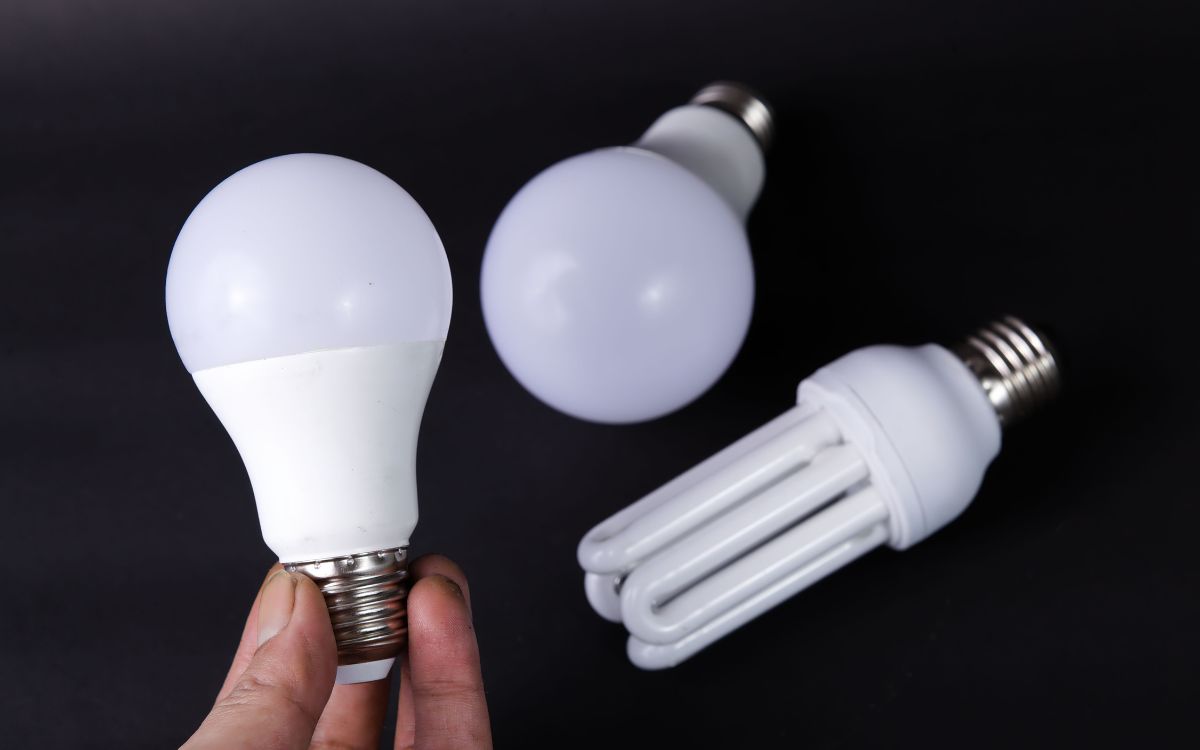
The transition from compact fluorescent lamps and incandescent bulbs towards light-emitting diodes has been constant over the last decade. That shift has established the E27 format as a meeting point between new technology and older installations. Current LED lamps offer a wide range of wattages, shapes and light types that was previously unthinkable to find in a single cap.

The universal cap found in almost every home and business

Whether your lamp is twenty years old or you bought it last month, it most likely uses an E27 cap. This compatibility explains why it remains the most sought-after bulb type in any lighting shop. It works both for a one-off replacement and for renovating an entire home.

E27 LED versus incandescent equivalence table

This is the most sought-after information for anyone facing an LED bulb purchase for the first time and unsure which wattage to choose.

Incandescent Equivalent LED Approximate lumens
25W 3W 250 lm
40W 5W 470 lm
60W 9W 800 lm
75W 11W 1050 lm
100W 14W 1500 lm

From 4W to 50W, what each wattage is equivalent to

To replace a 60W incandescent bulb, a 9W equivalent E27 LED bulb is enough. Both offer equivalent lumens despite the difference in electricity consumption. At the other end of the scale, a 50W high-brightness E27 LED bulb easily replaces an incandescent bulb of several hundred watts. This is common in warehouses and industrial spaces that need a lot of natural-looking artificial light.

Real lumens versus declared lumens

Not all manufacturers measure a bulb's luminous flux in the same way. Some brands declare optimistic lumen figures that do not match the light actually emitted by the product once installed. That is why it is worth checking the full technical data sheet, not just the wattage figure or the marketing claim on the packaging.

Colour temperature: how to choose according to the space

Selectable colour temperature shapes much of how a space feels, even more than the amount of light. The colour of light is measured in degrees Kelvin, and each range has a recommended use. The choice between a 6500K, 4000K or 2700K E27 LED bulb depends mainly on the type of activity carried out in each space.

2700K warm light for bedrooms and living rooms

Warm white 3000K and 2700K are the most relaxing tones, ideal for bedrooms, living rooms and any space where rest is the goal. This warm white light mimics the tone of old incandescent bulbs, which explains why it remains the favourite choice at home.

4000K neutral light for kitchens and offices

4000K neutral light balances warmth and clarity, and works perfectly for kitchens, bathrooms and offices where good visibility is needed without losing visual comfort. It is a middle ground that works well in mixed-use spaces.

6500K cool light for workshops and work areas

6500K cool light is closer to natural midday light and provides maximum clarity. It is recommended for workshops, garages and work areas where visual precision matters more than comfort. It also works well in commercial spaces aiming to convey cleanliness and modernity.

Types of E27 LED bulb by use

Not all E27 LED bulbs serve the same purpose, even though they share the same cap.

Standard A60, the most versatile

The A60 shape is the classic bulb silhouette and the most versatile on the market. It covers most domestic uses and adapts to any type of light you are looking for in each room. It also offers the best price-quality ratio for an E27 LED bulb for anyone seeking a hassle-free solution.

Filament LED bulb: vintage aesthetics with modern efficiency

The decorative filament E27 LED bulb combines the retro look of old tungsten filament lamps with the efficiency of current technology. It is common in hospitality, restaurants and shops seeking a warm atmosphere without giving up energy savings.

High brightness for large spaces or high ceilings

For high ceilings or large rooms, a 50W high-brightness E27 LED bulb concentrates a lot of light in a single point. This reduces the number of light points needed and simplifies the space's electrical installation.

Dimmable: compatibility and considerations

A dimmable E27 LED bulb only works correctly with a compatible dimmer. The dimmable-compatible option is clearly marked on the packaging. It is worth checking before buying, because installing a non-dimmable bulb on a dimmer circuit can cause flickering or premature failure.

Which chip makes the difference in an LED bulb

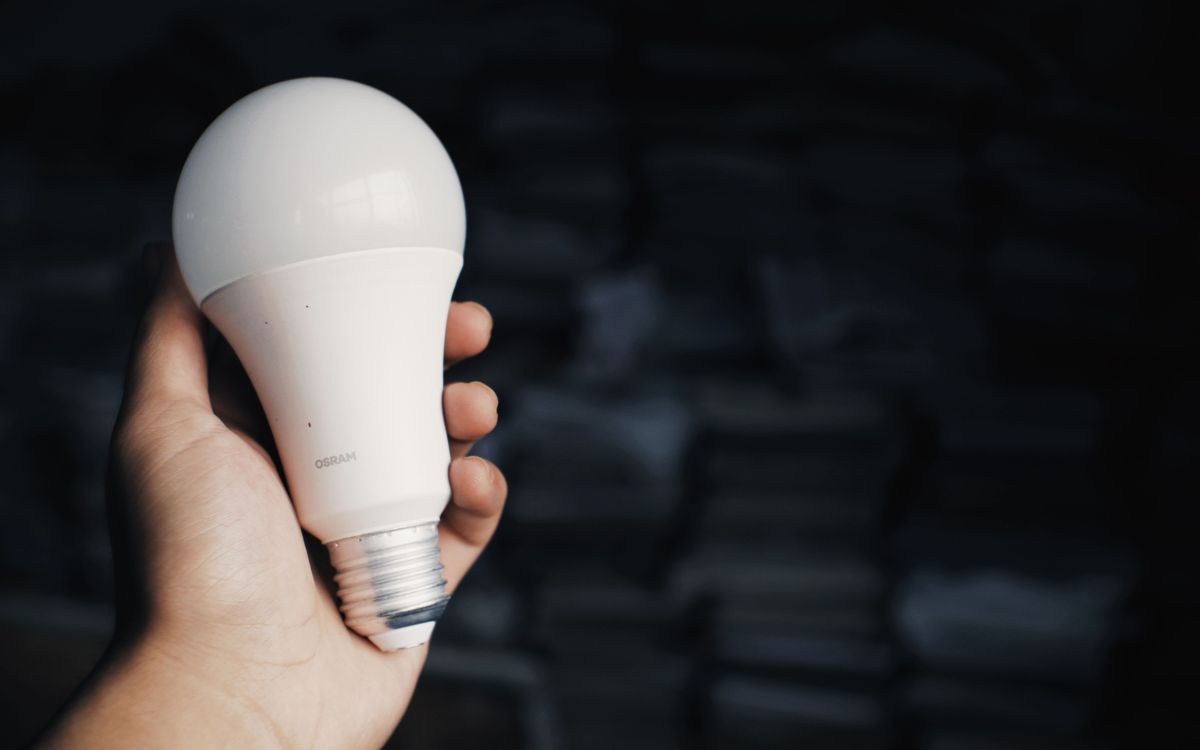
Osram Lumileds chip quality is one of the factors that most influences the real lifespan of the product. It even outweighs the bulb's outward design. Beyond the chip, any worthwhile low-consumption E27 bulb for 2026 should combine good light performance with contained electricity consumption.

Osram Duris, the benchmark for quality and lifespan

An E27 LED bulb with an Osram chip tends to have a higher CRI and a more consistent LED lifespan in hours than generic options. This translates into less flickering, better colour rendering and, above all, an E27 LED bulb with no perceptible flicker even at low intensity. As a low-consumption direct replacement for old bulbs, these quality-chip options help reduce household consumption. And they do so without giving up any type of light you already had installed.

How to identify a quality LED bulb from the data sheet

To spot differences between E27 LED bulbs on the market, it is worth checking three figures. The CRI colour rendering index should exceed 80, and in a CRI90 E27 LED bulb this figure guarantees very faithful colours. The 180-300 degree beam angle indicates how much light is spread across the space.

A declared lifespan of at least 15,000 hours is usually a sign of good quality. If the outdoor E27 LED bulb will be exposed to the elements, the data sheet should also confirm the operating voltage. And it must state the corresponding protection rating.

Frequently asked questions about E27 LED bulbs in 2026

Which E27 LED bulb is equivalent to a 60W incandescent?

A 9W LED bulb offers the same amount of light as a 60W incandescent. The E27 LED bulb wattage equivalence is based on lumens, not power, which is why consumption is much lower for the same visual result.

How many lumens do I need to light a room well?

As a general reference, a living room needs between 1500 and 3000 lumens depending on its size, while a bedroom can work well with half that. It is worth combining several light sources rather than relying on a single point. Always choose low-consumption bulbs to keep the home's total energy consumption under control.

Are all E27 LED bulbs compatible with dimmers?

No, only models that expressly state dimmable-compatible on their data sheet or packaging. Using a non-dimmable bulb with a dimmer can cause flickering, buzzing or significantly reduce its lifespan.

Which colour temperature should I choose for the living room?

For a living room intended for relaxing, warm white between 2700K and 3000K is usually the best option. If the living room is also used as a study or work area, a neutral 4000K temperature provides more clarity without feeling cold.

Is it worth paying more for an LED bulb with an Osram chip?

In most cases, yes. The price difference is offset by a longer lifespan, less flickering and better light quality. It is an investment that is especially noticeable in spaces where the bulb is switched on for many hours a day.

Can I use a standard E27 LED bulb outdoors?

In most cases, yes. The price difference is offset by a longer lifespan, less flickering and better light quality. For these cases, it is worth choosing an outdoor E27 LED bulb with the appropriate protection rating.

 
Posted in: Sample Category

Leave a comment

★
★
★
★
★
Security code
Blog navigation

Latest posts

Outdoor Lighting Trends for Summer 2025: What's In This Year

This summer's outdoor lighting trends bet on less light, better distributed and with more personality. We review six...

Read more
LED Lighting for Sports Facilities: Regulations and Professional Solutions

LED lighting for sports facilities requires uniformity, low glare and compliance with the UNE-EN 12193 standard. This...
Read more
European Energy Efficiency Regulations in LED Lighting: What You Need to Know in 2025

European energy efficiency regulations changed the rules for professional LED lighting. This guide summarises which...
Read more
RGB and CCT LED Controllers: What They Are, How They Work and Which One You Need

RGB and CCT LED controllers are the piece that decides the colour, brightness and temperature of your LED strip. We...

Read more
The 8 Best Selling LED Luminaires for Commercial Premises and Why They Work

Guide to LED luminaires for commercial premises with the eight models installers repeat most in shops and businesses,...

Read more